If you have any questions you’re very welcome to send us a message and we will get back to you.
Monday:
09:00 AM - 17:00 PM
Tuesday:
09:00 AM - 17:30 PM
Wednesday:
09:00 AM - 17:30 PM
Thursday:
09:00 AM - 19:00 PM
Friday:
08:30 AM - 17:00 PM
Saturday:
09:00 AM - 13:00 PM
Sunday:
Closed
We use cookies to improve your experience. By continuing, you agree to our use of cookies
Dental implants have a strong record of success. Here we explain potential problems calmly and clearly, plus how our team helps you reduce risk.
Dental implants are a reliable way to replace missing teeth, and most patients enjoy stable results for years. It is still sensible to ask about potential problems. The most common dental implant complications include infection, peri-implantitis, loosening and, in some cases, an implant not bonding fully with the bone.
Overall failure rates are generally low, although risk is higher in certain groups. Reviews report failure in around 11% of smokers compared with about 5% in non-smokers. Careful planning, good oral hygiene and regular follow-up make a real difference to outcomes.
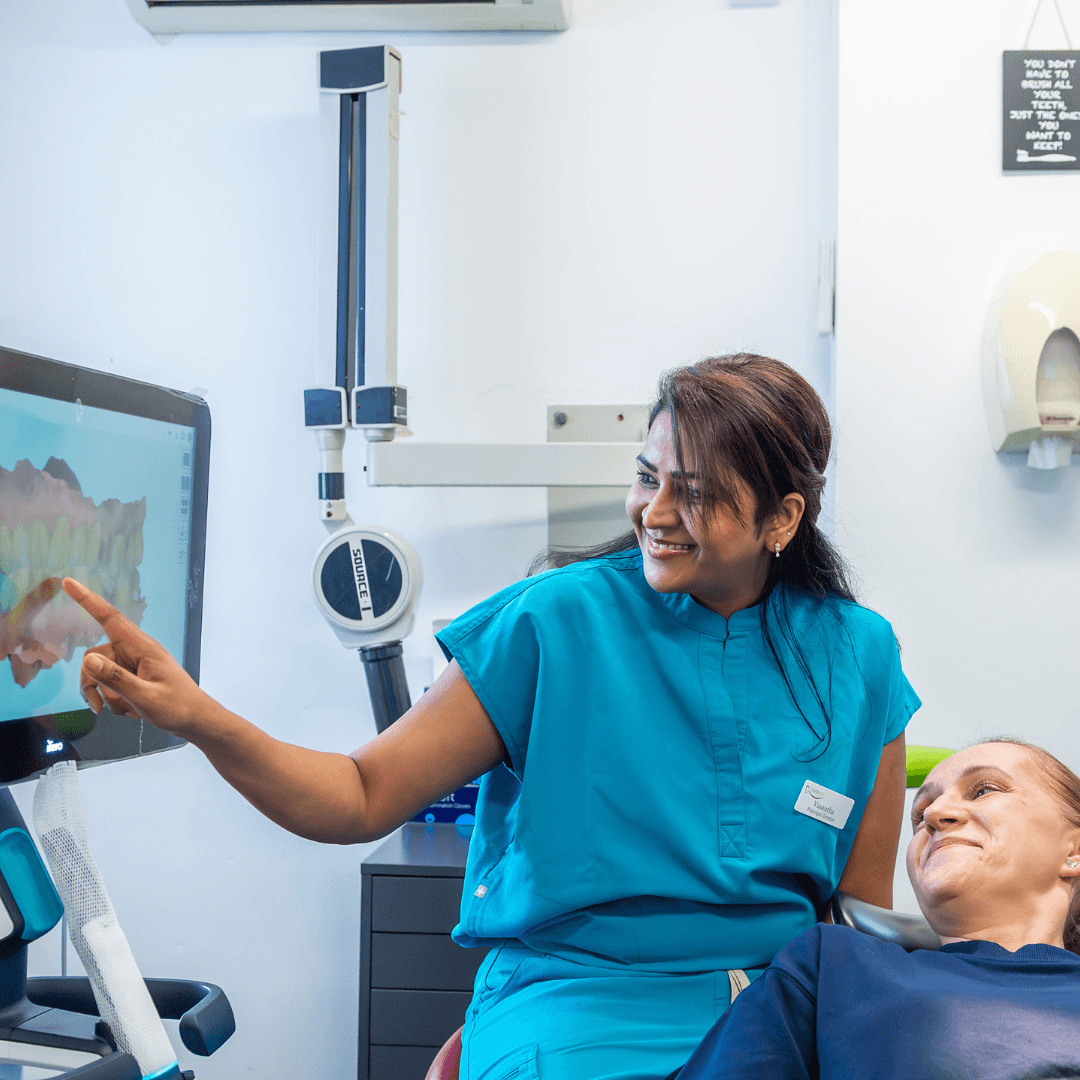
Implants are widely regarded as a successful treatment when planned and cared for properly. People often ask whether dental implants can fail. Failures can occur, but they are uncommon, especially in non-smokers. Your result depends on your general health, the condition of your gums and bone, and how closely aftercare guidance is followed. Smokers have higher failure rates at about 11% compared with around 5% for non-smokers, and risks also rise with uncontrolled diabetes and active gum disease. A thorough assessment helps to identify and reduce these risks before treatment. At Silver Oaks Dental in Milton Keynes, we focus on detailed assessment, clear guidance and ongoing maintenance. Where clinically appropriate we use digital scans and CBCT imaging to assess bone and supporting tissues. This provides a clearer diagnosis and more precise planning so you can make informed decisions.
Concerned about implant risks? Our team offers calm, clear guidance, detailed assessment and ongoing maintenance to help you feel confident.
After an implant placement appointment the area should settle and heal. If bacteria build up, you may develop an infection around the site. Peri-implantitis is a form of inflammation affecting the gums and bone around an implant. Warning signs can include persistent swelling, bleeding when brushing, discharge, a bad taste or tender gums.
Management depends on severity. Early issues often respond to professional cleaning around the implant, antimicrobial care and improved home hygiene. More advanced peri-implantitis may need additional treatment and, in some cases, the implant may need to be removed and replaced once the area is healthy again. Good daily cleaning and regular reviews help prevent problems from progressing.
An implant needs to bond with the bone to work properly. If this connection does not establish or later breaks down, the implant can feel loose or uncomfortable when you bite. Early failure is often linked to healing and health factors, while later failure is commonly associated with peri-implantitis or ongoing inflammation.
If you notice movement, contact your dentist promptly. We will assess the implant and surrounding tissues, check your bite and review your oral hygiene. Treatment might involve stabilising the gums with professional care, adjusting your cleaning routine, or replacing the implant if integration has not been successful. The earlier an issue is identified, the more options there are to manage it.
Some factors raise the chance of implant problems:
Suitability for implants is personal. A detailed assessment and tailored plan reduce risk by addressing the factors that apply to you.
Many implant risks can be reduced before, during and after treatment. Practical steps include:
At Silver Oaks Dental, our approach is carefully planned from the start. We take time to understand your goals, explain options and provide gentle care. After treatment, we support you with ongoing reviews, professional cleaning and practical home-care tips tailored to your needs.
Not sure if implants are right for you? Book a careful review of your gums, bone and health with practical advice tailored to your situation.
Most people heal well and return to normal biting and chewing without concern. Still, please contact your dentist promptly if you notice:
These signs do not always mean the implant will fail, but they do need assessment. Early attention often makes treatment simpler and more effective.
A balanced view helps you make confident choices. Implants have a strong record of long-term success, and many risks are preventable or manageable with professional care and good daily hygiene. If you are unsure about your suitability, a personal assessment is the best next step.
Book a consultation with Silver Oaks Dental for a personalised implant suitability assessment or an early review if you are worried about an existing implant.







Precision, Artistry, and Confidence – Beautiful Smiles with Porcelain Veneers.
FAQ
The most common issues include infection, peri-implantitis, loosening and an implant not bonding fully with the bone. Many problems are manageable when identified early. Good hygiene and regular follow-up reduce risk.
Overall failure rates are generally low, although they are not zero. Reviews report around 11% failure in smokers compared with about 5% in non-smokers. Your individual risk depends on health, gums, bone and hygiene.
Yes. Smoking is linked with higher failure, about 11% for smokers compared with around 5% for non-smokers. Quitting before treatment and during healing can significantly improve outcomes.
Start with a detailed assessment and treat any gum disease first. Keep diabetes well controlled, avoid smoking, follow the aftercare guidance and maintain excellent daily cleaning. Regular reviews and professional cleaning around the implant are essential.
Contact your dentist if you notice persistent pain, swelling, ongoing bleeding, discharge, a bad taste, or any loosening. Early review allows timely care and can often prevent further complications.
Not everyone. Uncontrolled diabetes, active gum disease and significant bone loss can increase risk, although some issues can be treated first. A personal assessment is needed to confirm suitability and plan safely.

Our team is always available to provide clear, honest answers about your dental care. No question is too small — we’re here to help you make confident, informed decisions about your smile.