
If you have any questions you’re very welcome to send us a message and we will get back to you.
Monday:
09:00 AM - 17:00 PM
Tuesday:
09:00 AM - 17:30 PM
Wednesday:
09:00 AM - 17:30 PM
Thursday:
09:00 AM - 19:00 PM
Friday:
08:30 AM - 17:00 PM
Saturday:
09:00 AM - 13:00 PM
Sunday:
Closed
We use cookies to improve your experience. By continuing, you agree to our use of cookies
Understanding mouth cancer symptoms and recognising early changes can help you take better care of your oral health. Discover the signs to look for, practical prevention advice and how Silver Oaks Dental supports patients with gentle, comprehensive dental examinations in Milton Keynes.

Have you ever noticed a small mouth ulcer or an unusual patch inside your cheek and wondered whether it needed attention? Most changes in your mouth have common, manageable causes. However, knowing what is normal for you, and recognising when something needs checking, is an important part of looking after your oral health.
Mouth cancer awareness is about understanding these changes, developing healthy habits and feeling confident about seeking professional advice.
Every November, Mouth Cancer Action Month encourages people across the UK to become more aware of their oral health and recognise possible warning signs.
At Silver Oaks Dental in Milton Keynes, we believe preventive dentistry begins with clear information, gentle care and regular dental examinations. Our team is here to help you understand your oral health and feel supported when you have questions or concerns.
Know Your Mouth. Notice the Changes. Being familiar with your mouth can help you recognise unusual changes and know when to seek professional advice.
Mouth cancer, also called oral cancer, can develop in several areas of the mouth, including the tongue, lips, gums, inside the cheeks and the roof or floor of the mouth.
Some early changes can be subtle. A sore may seem like an ordinary mouth ulcer, while a red or white patch might be easy to overlook.
The encouraging message behind mouth cancer awareness is that recognising changes early and seeking professional assessment can make a meaningful difference. When mouth cancer is identified at an earlier stage, treatment may be more manageable.
Awareness also helps you take an active role in your wellbeing. Understanding what to look for makes it easier to discuss concerns with your dentist and make informed decisions about your care.
Understanding the early signs of mouth cancer can help you recognise when your mouth needs a closer look.
Many mouth cancer symptoms can also occur with other oral health conditions. Their presence does not necessarily mean cancer, but unexplained or persistent changes deserve professional attention.
Look out for:
The most important thing is to pay attention to anything unusual for you.
If you notice a persistent or unexplained change, contact your dentist or GP promptly. A mouth ulcer lasting more than three weeks should always be assessed. You should not wait three weeks before seeking advice about other concerning symptoms.
A simple self-check can help you become familiar with the appearance and feel of your mouth.
Choose somewhere with good lighting and use a mirror. You can make checking your mouth part of your regular personal care routine.
You do not need specialist knowledge to become familiar with your mouth. Simply noticing a change can help you explain your concerns clearly during an appointment.
Self-checks are helpful, but they cannot replace a professional examination or diagnose mouth cancer.
Mouth cancer can affect people with different health backgrounds and lifestyles.
Certain factors are associated with an increased risk. Understanding them can help you make informed choices about your oral health.
Smoking and using smokeless tobacco increase the risk of mouth cancer. This includes cigarettes, cigars and chewing tobacco.
Choosing to stop using tobacco can help lower your risk and support your wider health.
Drinking alcohol increases the likelihood of developing mouth cancer, particularly when combined with tobacco use.
Reducing alcohol intake is a positive step towards protecting your health.
Certain types of human papillomavirus are associated with cancers affecting the mouth and throat. The association is particularly strong for cancers developing in the oropharynx, the area behind the mouth.
Most HPV infections do not lead to cancer, but understanding the connection is an important part of awareness.
Additional risk factors include chewing betel nut or paan, prolonged sun exposure affecting the lips, a weakened immune system and certain previous health conditions.
Having one or more risk factors does not mean you will develop mouth cancer. Equally, mouth cancer can develop in people without any recognised risk factors.
That is why awareness and professional assessment matter for everyone.
Your Dental Check-Up Is About More Than Your Teeth. At Silver Oaks Dental, we support your wider oral health with comprehensive examinations, preventive advice and a caring approach.
Many people associate dental appointments with caring for their teeth and gums. However, regular examinations also provide an opportunity to assess the soft tissues of your mouth.
At Silver Oaks Dental in Milton Keynes, our general dentistry services include oral cancer screening as part of our preventive care approach.
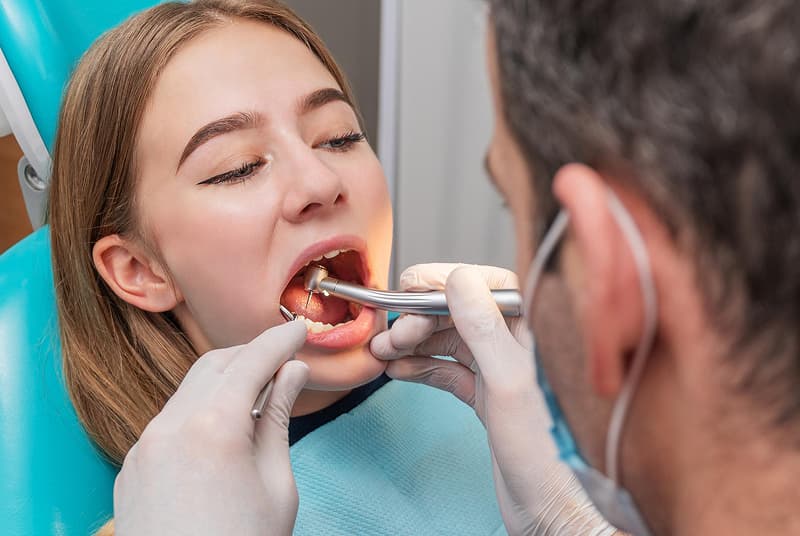
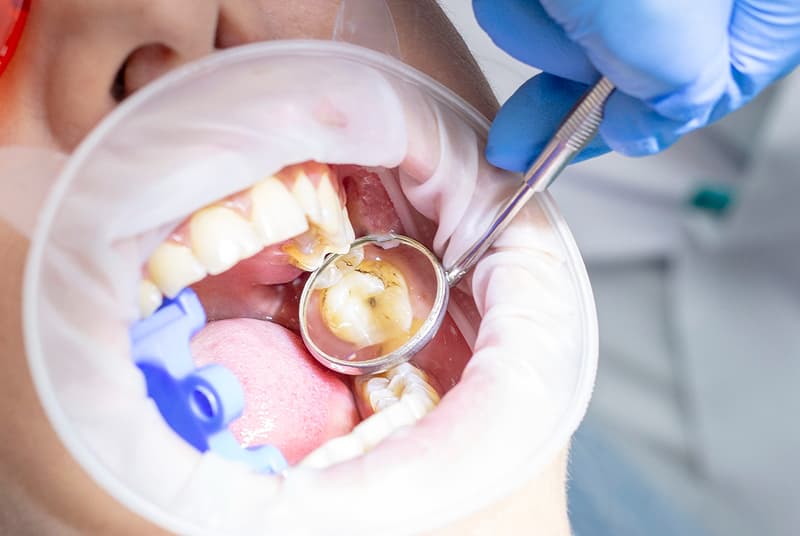
During a mouth cancer screening, your dentist can examine areas such as your tongue, cheeks, gums and other visible soft tissues, looking for unusual changes. They may also check around your jaw and neck.
The examination is generally straightforward and helps your dentist identify areas that may require further assessment.
A screening examination cannot diagnose every condition or rule out cancer completely. However, it provides an important opportunity to identify changes that might otherwise go unnoticed.
Our approach focuses on helping you feel informed and comfortable. If anything needs attention, we explain what we have noticed and discuss the appropriate next steps.
Hearing that an area of your mouth needs further assessment can naturally raise questions.
It is helpful to remember that many mouth changes have causes unrelated to cancer.
Your dentist may ask how long a change has been present, whether you have noticed any additional symptoms and whether anything has changed recently.
They will examine the area and explain their findings in clear language.
Depending on the appearance and nature of the concern, they may recommend monitoring a change, arranging a review or referring you for specialist assessment.
When there are features that could indicate mouth cancer, an urgent referral may be appropriate. A specialist may recommend further investigations, including a biopsy, to establish a diagnosis.
Being referred does not automatically mean you have cancer. It means that a closer examination is needed to understand the concern and guide your care.
At Silver Oaks Dental, we believe honest advice and clear explanations help you feel more confident about making decisions.
Small, consistent habits can support your overall wellbeing and may help lower certain mouth cancer risks.
Consider making these part of your routine:
Good oral hygiene supports healthy teeth and gums, while lifestyle choices such as avoiding tobacco and limiting alcohol can help reduce mouth cancer risk.
These habits complement professional care rather than replacing it.
Mouth Cancer Action Month is an opportunity to start conversations about oral health with family, friends and the wider community.
Sharing reliable information about mouth cancer symptoms may encourage someone to seek advice about a change they have noticed.
At Silver Oaks Dental, our general dental team supports patients with preventive care, routine examinations and honest guidance in a welcoming environment.
Whether you are attending your regular dental check-up or discussing an unfamiliar change in your mouth, our aim is to help you feel listened to and informed.
Because looking after your smile is also about feeling confident that your oral health is receiving the attention it deserves.
Small Checks. Greater Awareness. This Mouth Cancer Action Month, make time to learn the signs, check your mouth and encourage someone you care about to do the same.
Mouth cancer awareness begins with knowing your mouth, recognising changes and understanding when to seek professional advice.
If you have noticed an unusual patch, persistent ulcer, lump or other unexplained symptom, arrange an assessment with your dentist or GP promptly.
For routine preventive care, Silver Oaks Dental in Milton Keynes offers comprehensive dental examinations, including oral cancer screening where appropriate.
Book your dental check-up at Silver Oaks Dental and take an informed step towards maintaining a healthy, comfortable smile.





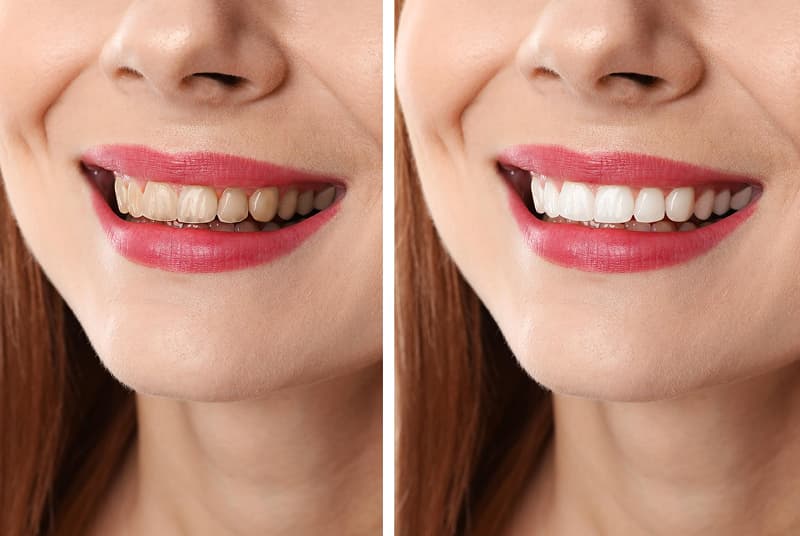

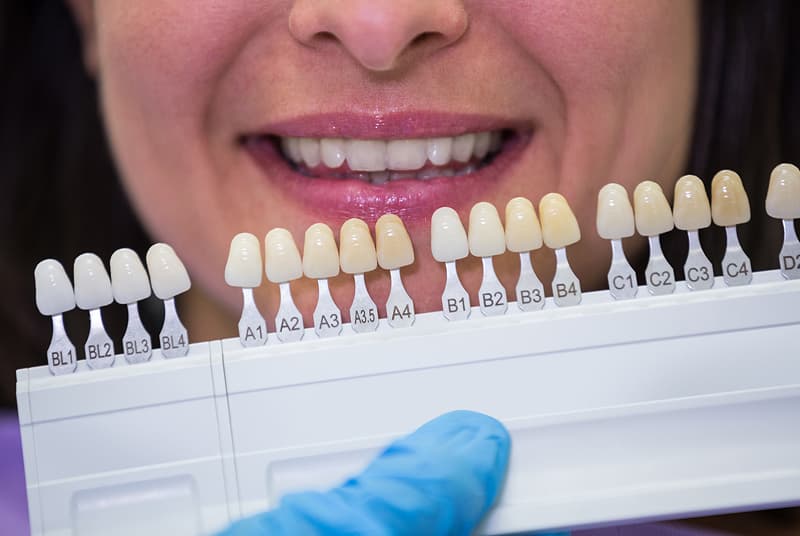

Precision, Artistry, and Confidence – Beautiful Smiles with Porcelain Veneers.
FAQ
Early signs of mouth cancer may include an ulcer that does not heal within three weeks, unexplained red or white patches, unusual lumps or persistent discomfort in the mouth. Many of these symptoms have other causes, but recognising changes and seeking professional advice can help you look after your oral health.
Your dentist can look for unusual changes in the soft tissues of your mouth during a routine dental examination. This may include checking your tongue, gums, cheeks and surrounding areas. If something needs further investigation, your dentist can explain the findings and arrange an appropriate referral. A dental examination alone cannot confirm a cancer diagnosis.
Your dentist can assess your oral tissues as part of your regular dental examinations. How often you should attend depends on your individual oral health needs and risk factors. At Silver Oaks Dental in Milton Keynes, our team can recommend a suitable check-up schedule following an assessment.
Yes. Some early mouth cancer changes may cause little or no discomfort. This is why recognising unexplained patches, lumps or persistent ulcers is important, even when they do not feel uncomfortable. If you notice anything unusual, arrange an assessment with your dentist or GP.
Avoiding tobacco, limiting alcohol consumption, eating a balanced diet and protecting your lips from excessive sun exposure can help reduce certain mouth cancer risks. Checking your mouth regularly and attending recommended dental appointments also supports early recognition of unusual changes.
Arrange an appointment with your dentist or GP if you notice an unexplained lump, a red or white patch, persistent discomfort or changes in swallowing or speaking. A mouth ulcer lasting longer than three weeks should always be assessed. You do not need to wait three weeks before seeking advice about other concerning symptoms.

Our team is always available to provide clear, honest answers about your dental care. No question is too small — we’re here to help you make confident, informed decisions about your smile.