
If you have any questions you’re very welcome to send us a message and we will get back to you.
Monday:
09:00 AM - 17:00 PM
Tuesday:
09:00 AM - 17:30 PM
Wednesday:
09:00 AM - 17:30 PM
Thursday:
09:00 AM - 19:00 PM
Friday:
08:30 AM - 17:00 PM
Saturday:
09:00 AM - 13:00 PM
Sunday:
Closed
We use cookies to improve your experience. By continuing, you agree to our use of cookies
Small cavities often feel fine at first. Here is what really happens if you wait, and why early care is simpler, gentler and more effective.

A small cavity can be easy to overlook when nothing hurts. If a small cavity is left as an untreated cavity, decay can move from the strong outer enamel into the softer dentin. As it progresses you may notice sensitivity, toothache and infection risk, and in some cases the tooth can be lost. The good news is that early tooth decay is usually simple to manage, so acting sooner keeps treatment minimal.
Cavities start when plaque bacteria use sugars in food and drink to make acids that draw minerals out of enamel. The earliest sign is often a chalky white patch. At this stage, enamel changes can often be halted or reversed with fluoride treatment, daily fluoride toothpaste and improved cleaning. Not all small white spot lesions need immediate restorative work, which is why an assessment matters.
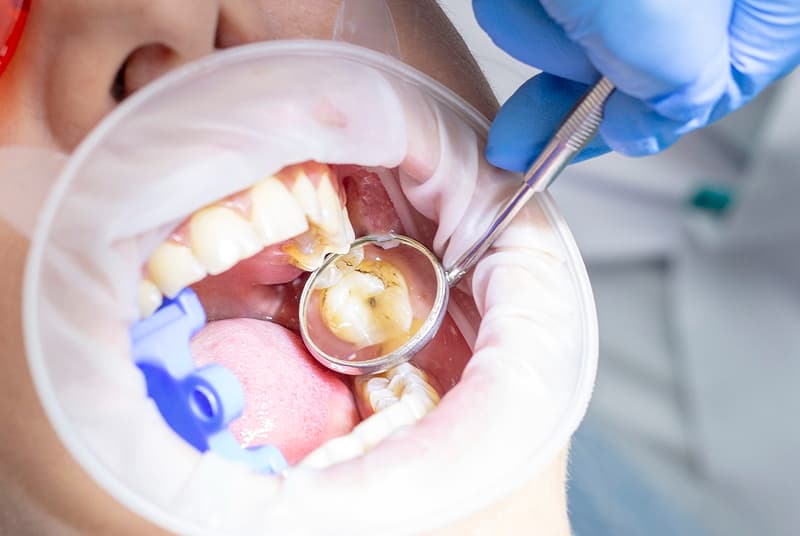
If acid attacks continue, the enamel weakens and a cavity can form. Once a hole develops, the tooth cannot mend itself and a repair by your dentist is usually needed.
Unsure if a mark is decay or staining? A short visit can give you clear answers, simple next steps and peace of mind.
When a small cavity reaches the dentin layer, teeth often become sensitive to hot, cold or sweet foods. Dentin is softer than enamel, so decay spreads more quickly. If bacteria then reach the inner nerve space, infection can develop and a dental abscess may form. At that stage, treatment may include root canal care or, if the tooth is too damaged, removal.
Progression speed varies. Your diet, fluoride use, oral hygiene and dental history all play a part. The British Dental Journal notes that pit and fissure decay often starts in adolescence and can progress quickly without care, which is why routine checks are important for both adults and children.
Not every small cavity ends in tooth loss, but leaving it increases the chance of needing more involved treatment.
The reassuring part: catching a cavity early usually means a straightforward fix and a better long-term outcome.
Early enamel changes can often be managed without restorative work. Fluoride varnish, tailored advice on diet and brushing, and in selected cases fissure sealants can protect vulnerable grooves. If a repair is needed, a small, conservative filling is usually quick and preserves more healthy tooth.
At Silver Oaks Dental our team carries out a detailed examination to spot early changes. We provide clear guidance on whether a lesion can be monitored or needs a small repair, and we offer fluoride treatments to strengthen enamel.
Treating a small cavity early is usually:
Delaying care can lead to larger cavities, nerve involvement and cracked teeth. These often need root canal treatment and a crown, or sometimes extraction and replacement options, which take longer and cost more.
UK guidance, including NHS advice, supports regular dental check-ups and prompt treatment to preserve tooth health and reduce the need for complex procedures.
A gentle check now can prevent toothache later. Ask about fluoride varnish and conservative repairs for early tooth decay.
Book a dental examination if you notice:
Do not wait for pain. By the time a tooth hurts, the decay may already be through enamel. Our friendly team will explain what is happening and the simplest next step.
At Silver Oaks Dental in Milton Keynes we focus on early detection. We use careful examination and clear advice to help you manage early symptoms before they worsen, with conservative cavity care options where suitable.
Ready to act on a possible small cavity? Book a check-up with Silver Oaks Dental today for a detailed assessment and clear guidance on simple, effective cavity treatment.






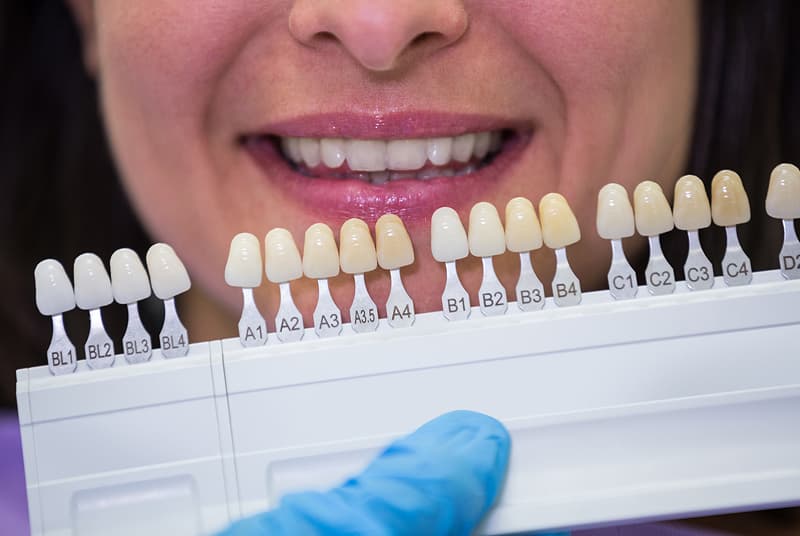

Precision, Artistry, and Confidence – Beautiful Smiles with Porcelain Veneers.
FAQ
Early enamel changes can be halted or reversed with fluoride treatments, good hygiene and diet changes. Once a hole forms, the tooth cannot repair itself and will usually need a filling. An examination helps decide the right approach.
It varies with diet, oral hygiene, fluoride exposure and dental history. In some people it can move from enamel to dentin within months, while others progress more slowly. Regular checks help catch changes early.
Sensitivity to hot, cold or sweet foods suggests decay has moved beyond enamel. Visible dark spots, a hole, food trapping or a broken edge are warning signs. Do not wait for pain, as significant damage may already be present.
Options range from fluoride varnish, advice and monitoring for early enamel lesions to small fillings for localised cavities. More advanced cases may need root canal treatment or, if the tooth cannot be saved, extraction. Suitability depends on a dental assessment.
Fluoride varnish and daily fluoride toothpaste can help remineralise early enamel lesions that have not yet broken the surface. Your dentist will advise whether a lesion can be managed this way or needs a small repair.
Arrange a check-up as soon as you notice a mark, sensitivity or a rough patch. Early visits keep treatment simple and protect the tooth. If you are unsure, our team can assess and explain your options.

Our team is always available to provide clear, honest answers about your dental care. No question is too small — we’re here to help you make confident, informed decisions about your smile.