If you have any questions you’re very welcome to send us a message and we will get back to you.
Monday:
09:00 AM - 17:00 PM
Tuesday:
09:00 AM - 17:30 PM
Wednesday:
09:00 AM - 17:30 PM
Thursday:
09:00 AM - 19:00 PM
Friday:
08:30 AM - 17:00 PM
Saturday:
09:00 AM - 13:00 PM
Sunday:
Closed
We use cookies to improve your experience. By continuing, you agree to our use of cookies
Chewing should begin to feel easier as your implant heals. Learn what is normal, what may be wrong, and how our Milton Keynes team can help.
If you are finding it hard to chew with a new dental implant, you are not alone. A short adjustment period is normal while the area settles, and dental implants have an excellent record of long‑term success. If chewing still feels uncomfortable or “not quite right” after the early healing phase, there is usually a clear reason. Common causes include a bite that needs fine‑tuning, a crown or abutment that does not fit ideally, soft tissue inflammation, implant movement, or rarely, nerve involvement. A professional assessment is the safest way to restore comfort and protect your implant.
It helps to know what to expect. In the first days after your placement appointment, mild soreness and a different chewing sensation are common. The implant needs time to fuse with the bone in a process called osseointegration, which typically takes a few months. During this period, especially if a tooth has been missing for some time, your bite may feel unfamiliar and you may naturally favour the other side.
Careful aftercare supports healing. Follow guidance on a softer diet at first, avoid hard or sticky foods until advised, and keep the area clean with gentle brushing and interdental brushes. Attend your review visits so your clinician can monitor healing and adjust the bite if needed.
If an implant is not ideally positioned, it can affect how your teeth meet. This may create a high spot, uneven pressure or discomfort when chewing. A detailed assessment can confirm whether the bite needs adjusting, if the crown should be remade, or if additional care is required.
The crown and its connection to the implant must be precise. If the bite on the crown is slightly high, you may notice tenderness when biting. If contacts with neighbouring teeth are too tight or too open, food can trap and the gums may feel sore. Your dentist can adjust the bite, refine contacts, reseat or replace components, and check the abutment connection. Avoid changing how you chew to compensate, as this can strain other teeth and joints.
Inflammation around an implant, known as peri‑implant mucositis, or peri‑implantitis when more advanced, can cause pain on chewing. Warning signs include redness, swelling, bleeding on brushing or any discharge. Early care is important. Professional cleaning around the implant, clear home‑care guidance and treatment of infection where indicated can resolve symptoms and protect supporting tissues.
With proper care and placement, implant success rates generally exceed 95 per cent. If an implant or its connection feels mobile, or if biting causes sharp pain, it needs prompt review. Loosening may relate to bite overload or incomplete integration. Your dentist will assess stability, check your bite and discuss the safest next steps.
Nerve irritation is uncommon, but persistent numbness, tingling, altered sensation or unusual discomfort that changes how you chew should be assessed. Some temporary changes improve as the area settles, but ongoing symptoms require careful evaluation.
Contact your dentist for a professional review if you notice any of the following:
Do not try to push through discomfort or “test” the area by biting harder. Early assessment is usually the simplest way to restore comfort and prevent complications. The reassuring news is that most issues are straightforward to address once the cause is identified.
Good daily care and timely attention to small concerns support long‑term comfort and stability.
At Silver Oaks Dental in Milton Keynes, we start with a calm, detailed assessment focused on your comfort. We listen to your concerns, examine the implant, crown and surrounding tissues, and check your bite in both light and firm contact.
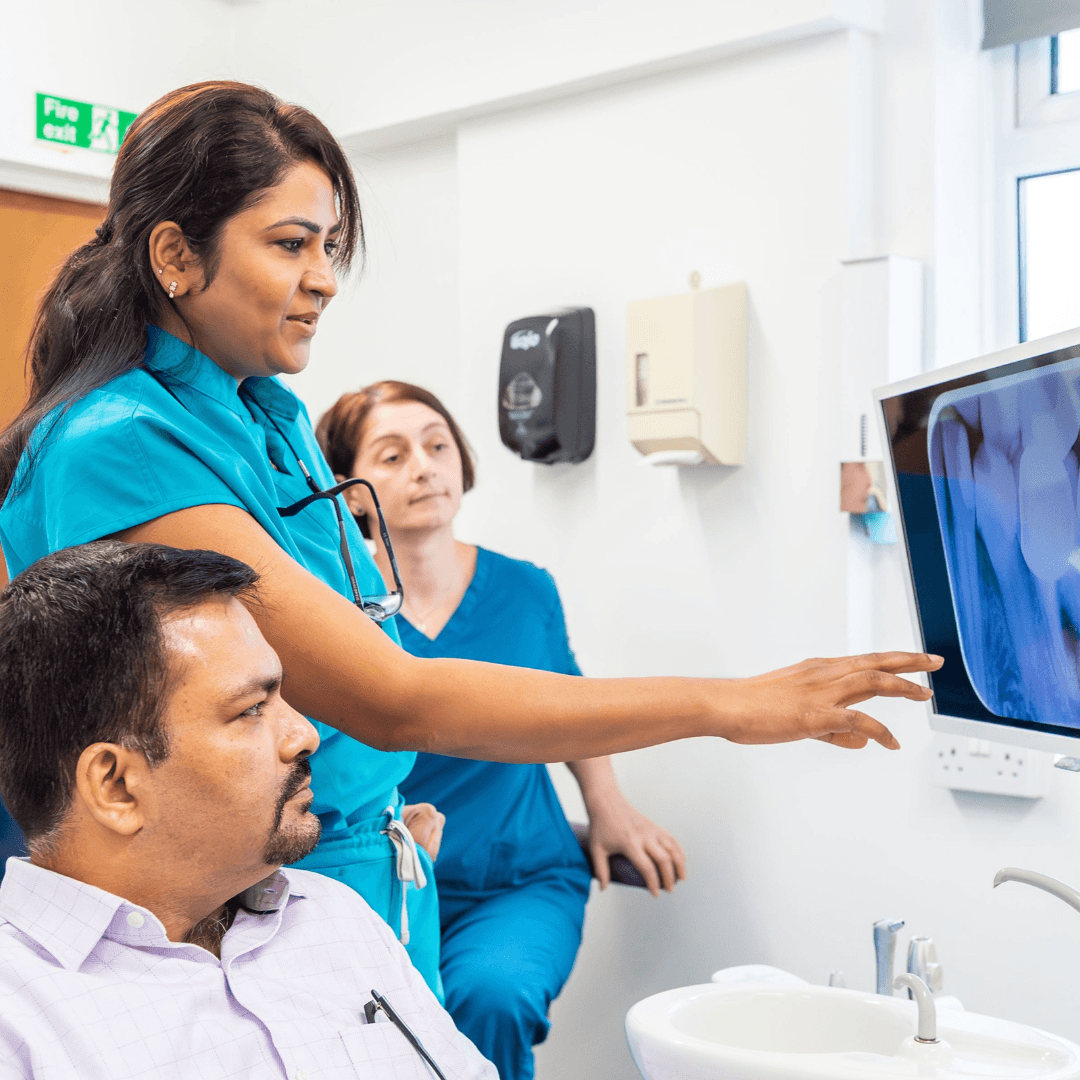
Where helpful, we use digital scans or CBCT imaging for clearer diagnosis and precise planning, so we can show you what we see and explain options simply. Many dental implant chewing problems can be improved with careful bite adjustments, refined contacts or crown modification. If soft tissue inflammation is present, we provide professional cleaning around the implant and tailored home‑care coaching to reduce irritation. If a component needs refitting or replacing, we discuss this openly and plan your care step by step. We follow up to confirm that chewing feels comfortable and that healing is progressing as expected.
Most dental implant chewing problems are resolvable once the cause is identified, and early review helps protect your long‑term results.
If chewing does not feel right with your new implant, book a consultation with Silver Oaks Dental in Milton Keynes. Our team will assess your bite, explain your options and create a tailored plan to restore comfortable function.




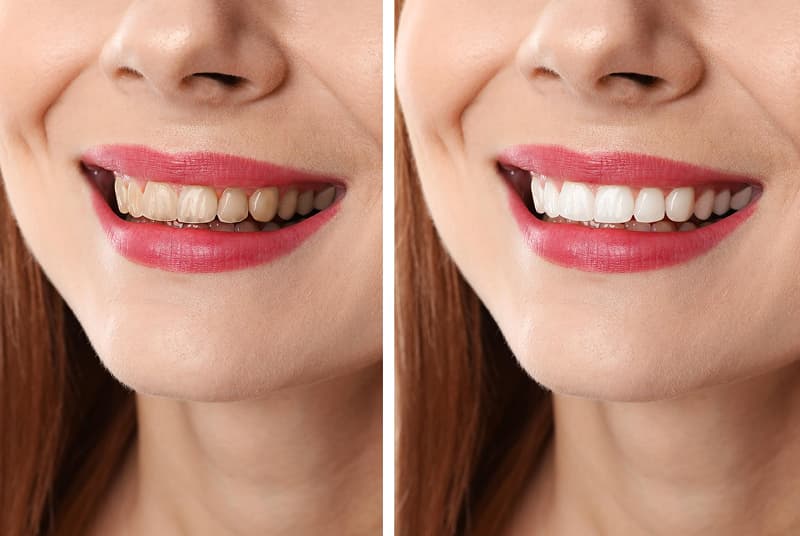

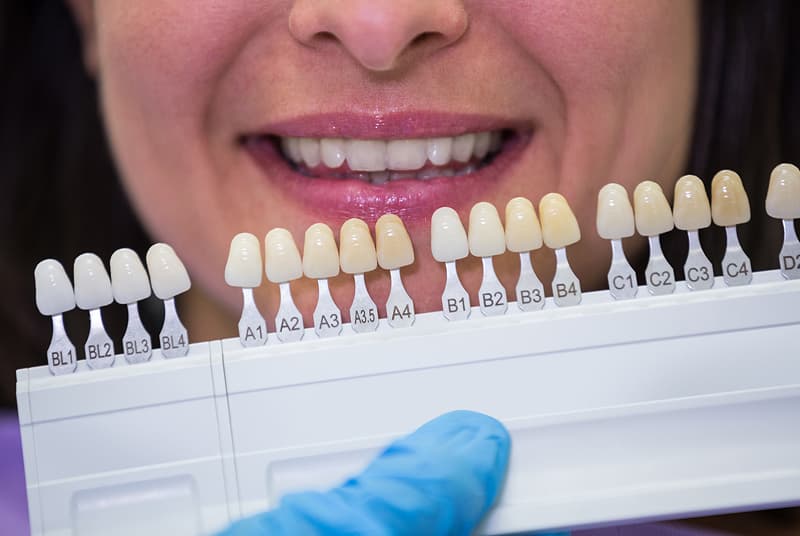

Precision, Artistry, and Confidence – Beautiful Smiles with Porcelain Veneers.
FAQ
Yes. Mild soreness and a different chewing sensation are common in the days and weeks after placement while the area heals. Keep to softer foods as advised and build up gradually. If discomfort persists or worsens, book a review.
Common reasons include a high bite, an ill‑fitting crown or abutment, soft tissue inflammation, or, less commonly, implant loosening. Rarely, nerve irritation can contribute. A professional assessment can identify the cause and guide the right treatment.
Many people feel more normal within weeks, but full integration usually takes a few months. Comfort often improves as healing progresses and the bite is fine‑tuned if needed. If it still feels wrong after the early healing phase, arrange a check‑up.
Get in touch if you have persistent pain on biting, swelling, bleeding on brushing, discharge, a bite that feels uneven or any looseness. Sudden changes or ongoing numbness also warrant prompt review. Early attention helps prevent complications.
Yes. If the position or angle is not ideal, it can create a high spot or uneven pressure when chewing. This is often manageable with careful adjustments, crown refinement or planned further care after assessment.
Follow your aftercare plan, choose softer foods at first, and avoid hard or sticky items until your dentist confirms healing. Maintain excellent oral hygiene and attend review visits. Do not try to adjust your bite yourself or bite harder to test the implant.

Our team is always available to provide clear, honest answers about your dental care. No question is too small — we’re here to help you make confident, informed decisions about your smile.