If you have any questions you’re very welcome to send us a message and we will get back to you.
Monday:
09:00 AM - 17:00 PM
Tuesday:
09:00 AM - 17:30 PM
Wednesday:
09:00 AM - 17:30 PM
Thursday:
09:00 AM - 19:00 PM
Friday:
08:30 AM - 17:00 PM
Saturday:
09:00 AM - 13:00 PM
Sunday:
Closed
We use cookies to improve your experience. By continuing, you agree to our use of cookies
Wondering how long implant recovery takes? Here is a calm, practical guide to the first days and the months ahead, with clear aftercare advice from our team.
If you are considering dental implants or have just had them carefully placed, it helps to know two timelines. First, the short-term phase: most people experience some pain, swelling and tenderness for 1 to 2 weeks, with discomfort usually peaking in the first 48 hours then settling. Second, the longer phase: full healing and bonding of the implant to your jawbone, called osseointegration, typically takes 3 to 6 months. Understanding both stages will help you plan your days, care for the area and feel confident about what is normal.
At Silver Oaks Dental, we provide clear guidance for each step so you can recover comfortably and support long-term success.
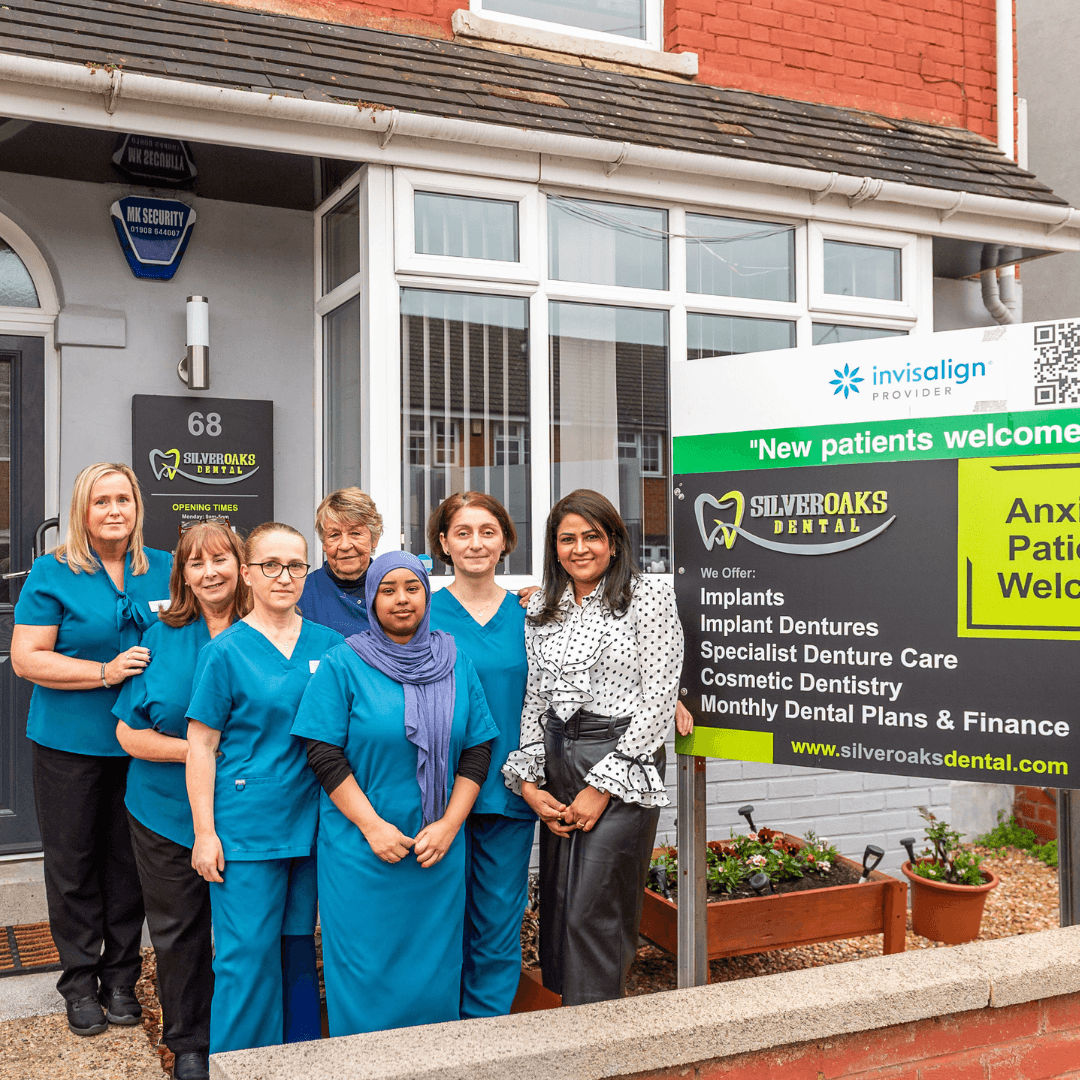
In the first 24 to 72 hours you can expect:
Simple pain relief and cold compresses used as advised can help with comfort. Our team will explain how to protect the area, what to eat, and how to keep your mouth clean without irritating the site.
A clear plan for every stage. From the first week’s comfort to long-term stability, our team will guide you with simple, confident steps.
Short-term implant recovery usually lasts 7 to 10 days, sometimes up to 2 weeks. Helpful steps include:
During this time, tenderness should steadily reduce. You can generally return to normal daily routines as you feel comfortable, while still being careful with the area.
After the first couple of weeks, most day-to-day soreness has settled. The deeper healing then continues. Osseointegration is the process where your bone bonds to the implant surface, creating a stable foundation for your final crown. This stage typically takes 3 to 6 months.
The exact pace varies by person and site. Upper jaws can heal at a slightly different rate to lower jaws. Good oral hygiene, not smoking, and keeping to your review appointments all help support healthy integration. When your clinician is satisfied that the implant is stable and the supporting tissues are healthy, we will move on to your final restoration.
Dental implants have a strong record of long-term success. When proper protocols are followed, osseointegration success rates are above 95 percent according to the British Dental Journal.
Every person heals at a different pace. Factors that can influence both short-term recovery and overall dental implant healing time include:
We plan each case carefully, discuss your personal timeline and give you tailored advice to support healing at every stage.
Dental implants have a strong record of long-term success, and most people heal without problems. Most discomfort after implant placement is manageable and improves steadily. It is important to contact us promptly if you notice any of the following:
Our aim is to reassure and review early if something does not seem right. Timely advice can keep things on track.
Unsure what is normal after implants? Share your symptoms and questions. We will review, reassure and adjust your plan if needed.
Cleanliness around the implant is essential while the area heals and beyond. We will show you how to care for the area without irritating it. Key points are:
At Silver Oaks Dental, we provide a tailored aftercare plan and follow-up appointments to check both comfort and stability. If anything changes between visits, our team is here to help with clear, practical guidance.
Ready for clear, personalised advice on implant recovery and aftercare? Book a consultation with Silver Oaks Dental and our team will create a tailored plan for your comfort and long-term success.




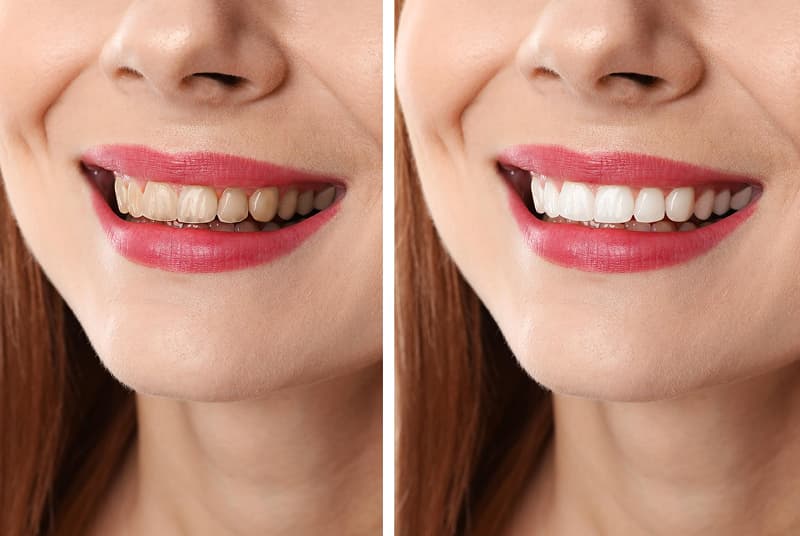

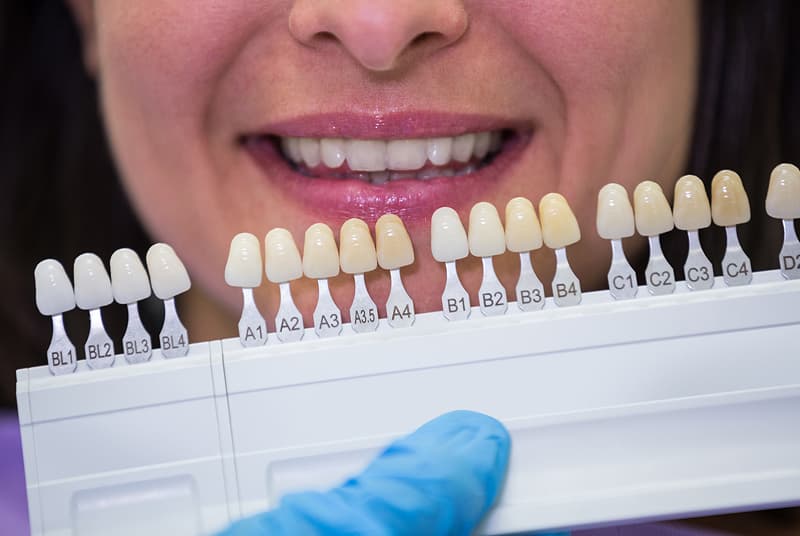

Precision, Artistry, and Confidence – Beautiful Smiles with Porcelain Veneers.
FAQ
Discomfort usually peaks in the first 48 hours and then improves day by day. Most people feel significantly better within 7 to 10 days. Use pain relief as advised and rest during the first few days.
Choose soft foods in the first week to avoid disturbing the area. Think yoghurt, soups that are not too hot, mashed vegetables and pasta. Chew on the opposite side where possible and return to a normal diet as comfort allows.
Avoid strenuous activity for at least 48 to 72 hours. You can gently increase activity as you feel comfortable, taking care not to disturb the area. Follow any specific guidance given at your appointment.
Full bonding of the implant to the jawbone typically takes 3 to 6 months. Your exact timeframe depends on your health, the implant site and bone quality. We will review your progress and advise when to move to the final crown.
Contact us if you have severe or prolonged pain, persistent swelling, discharge or fever. These can indicate infection or irritation that needs prompt assessment. Early advice helps protect healing.
Yes. Smoking is linked with slower healing and a higher risk of problems. If you smoke, we will discuss support to reduce or pause during recovery to improve outcomes.

Our team is always available to provide clear, honest answers about your dental care. No question is too small — we’re here to help you make confident, informed decisions about your smile.