
If you have any questions you’re very welcome to send us a message and we will get back to you.
Monday:
09:00 AM - 17:00 PM
Tuesday:
09:00 AM - 17:30 PM
Wednesday:
09:00 AM - 17:30 PM
Thursday:
09:00 AM - 19:00 PM
Friday:
08:30 AM - 17:00 PM
Saturday:
09:00 AM - 13:00 PM
Sunday:
Closed
We use cookies to improve your experience. By continuing, you agree to our use of cookies
No pain does not always mean no problems. Learn how routine dental visits protect your smile and make care simpler, calmer and more affordable.
It is common to think “I’ll only go if it hurts.” The difficulty is that many dental problems begin without pain or obvious signs. Seeing a dentist even if nothing hurts means tooth decay, gum disease and mouth cancer can be spotted early, when care is simpler and more affordable. Preventive dentistry reduces the need for complex treatment. The British Dental Association advises most adults to have dental check-ups every 6 to 12 months, based on personal risk. At Silver Oaks Dental, we offer calm, thorough visits and clear guidance so you can look after your oral health with confidence.
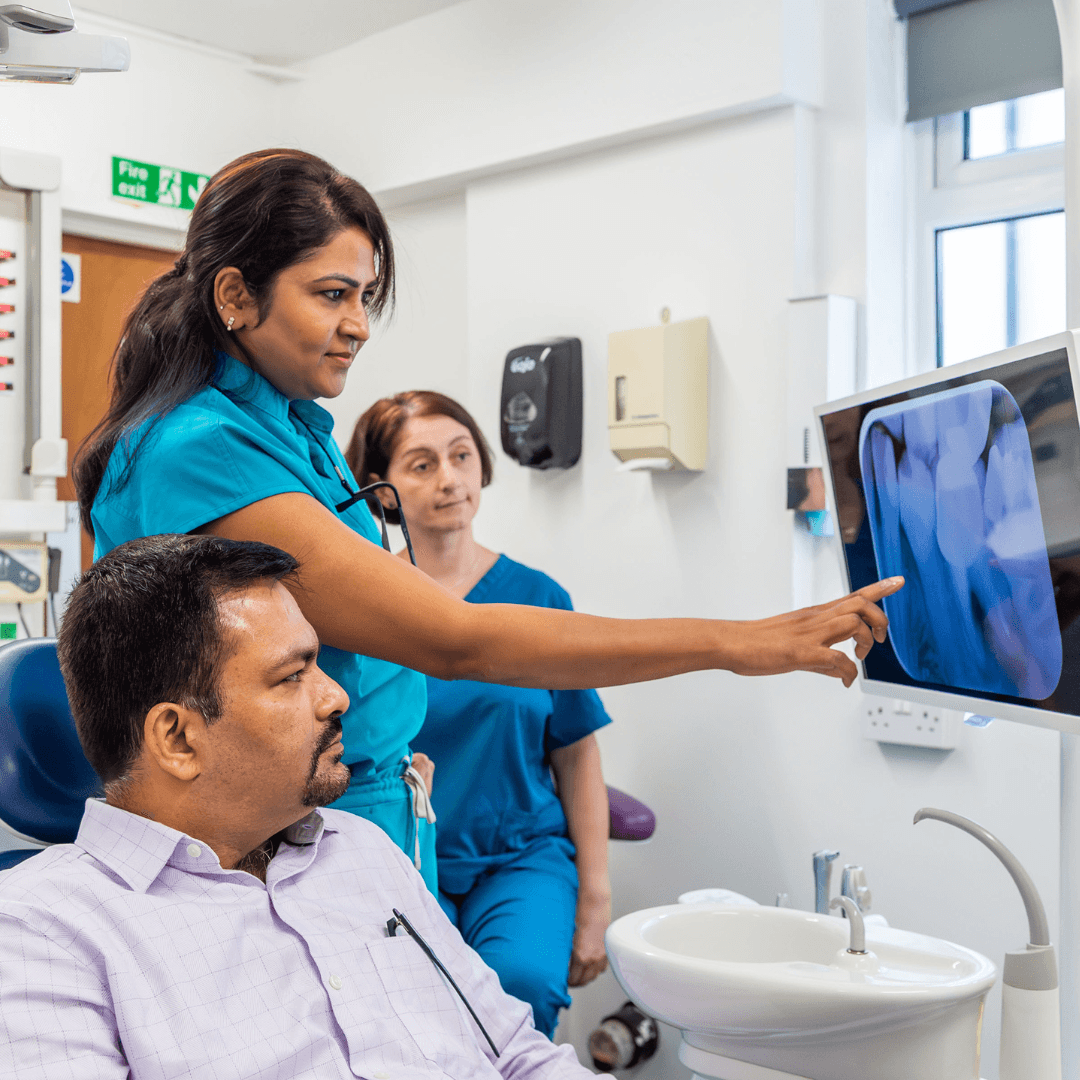
Preventive dentistry is proactive care that protects your mouth and helps avoid problems before they start or worsen. It combines routine dental visits, professional cleaning, tailored home-care advice and early treatment when needed.
Key benefits for you:
No pain today does not guarantee healthy teeth tomorrow. A routine check-up keeps you a step ahead.
Many people ask whether to see a dentist even if nothing hurts. The short answer is yes, because early checks and care help you stay ahead of problems and keep treatment straightforward if something is found.
We keep visits straightforward and calm, with a detailed assessment and time for your questions.
You can usually expect:
At Silver Oaks Dental, we agree a personalised care plan based on your risk of tooth decay or gum disease, and explain each step clearly.
Most dental problems are far easier to manage when found early. Waiting for symptoms can allow small issues to progress.
Watch for subtle signs such as bleeding gums, sensitivity to hot or cold, persistent bad breath, sores that do not heal within two weeks or a change in how your teeth meet. If you notice any of these, book sooner rather than later.
Your mouth can reveal early signs of conditions that affect wider wellbeing. Routine dental visits can highlight concerns such as dry mouth from medications, enamel wear from reflux or clenching, and signs linked to nutritional or lifestyle factors. By spotting these early, we can guide you to supportive care or recommend further assessment when needed. This joined-up approach helps you look after your whole health, not just your teeth.
The right interval is personal. The British Dental Association advises most adults to attend every 6 to 12 months, set after a professional assessment. Some people need more frequent checks, especially if they have:
At Silver Oaks Dental, we set your interval together after a detailed assessment and review it regularly to make sure it still suits your needs.
Small problems are easier to solve when found early. Preventive dentistry makes care clearer, calmer and more affordable.
If it has been some time since your last visit, you are not alone. We can start with a calm, unhurried check-up, explain our findings clearly and plan next steps together.
Book your routine dental check-up with Silver Oaks Dental and let our team create a personalised, preventive plan for your smile.


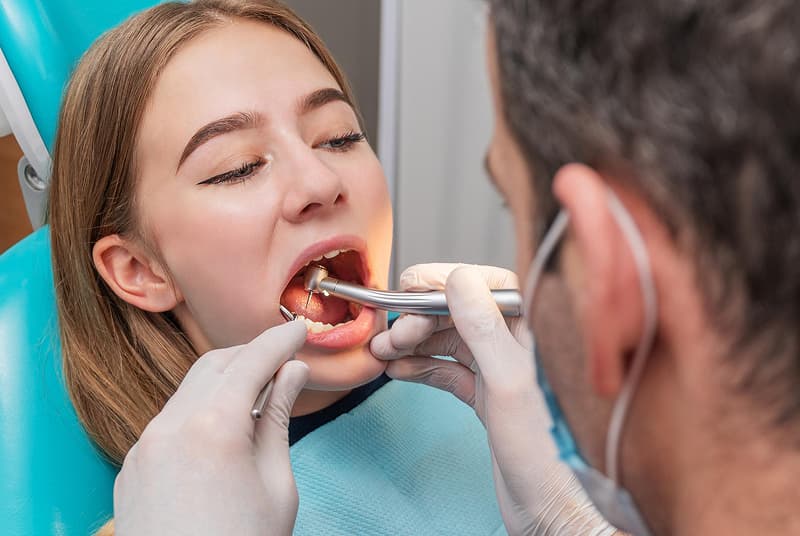

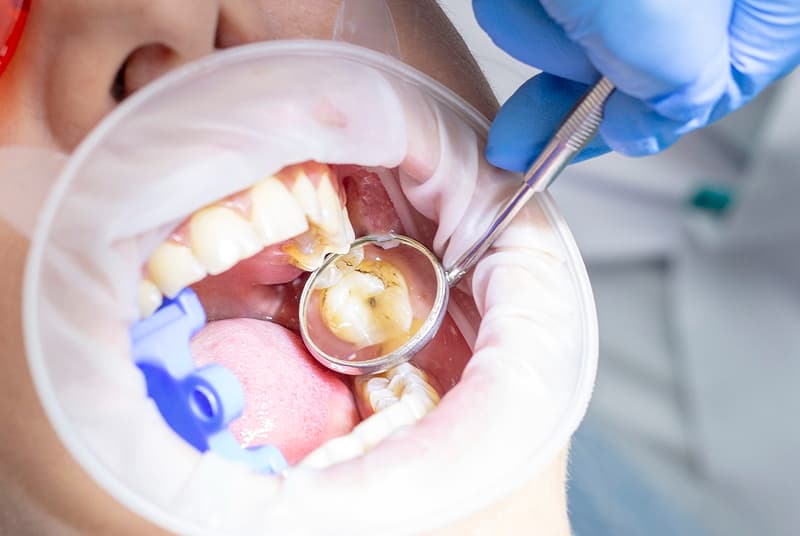

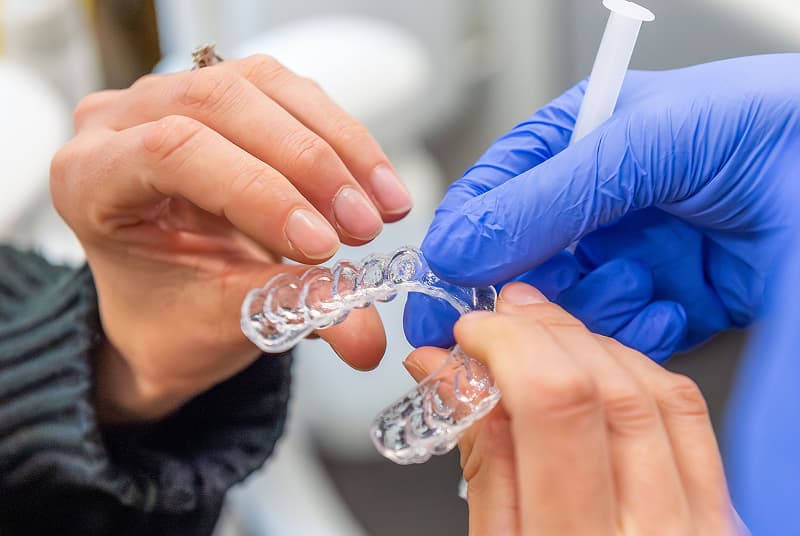

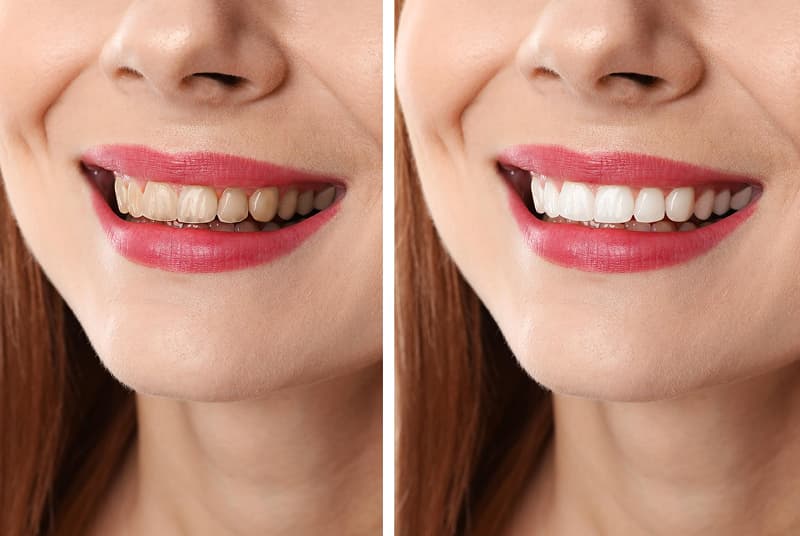

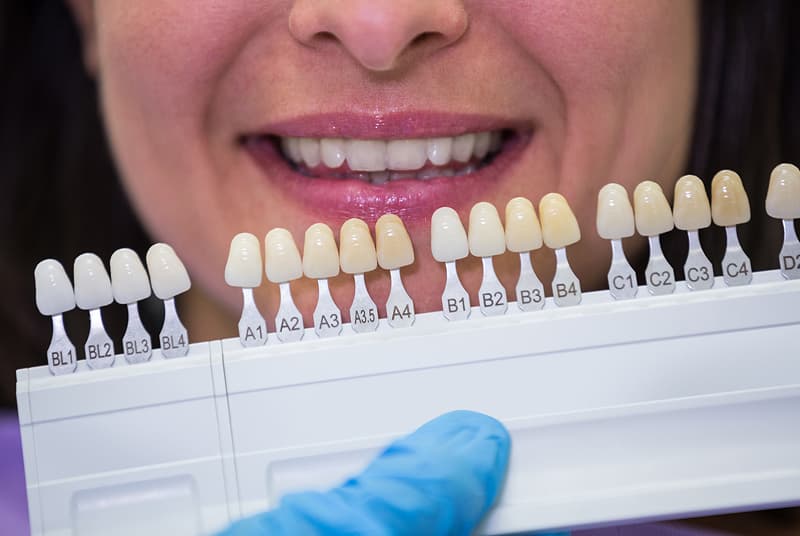

Precision, Artistry, and Confidence – Beautiful Smiles with Porcelain Veneers.
FAQ
Many dental problems are painless at first. Routine dental visits help detect early tooth decay, gum disease and oral cancer so care can be simpler and more affordable. Early action reduces the risk of needing complex treatment later.
The British Dental Association recommends check-ups every 6 to 12 months, depending on your personal risk. Your dentist will set the right interval after assessing your mouth and medical history. Some people benefit from more frequent reviews.
Yes. Dentists can spot early signs of decay, gum inflammation and other concerns before they cause symptoms. X-rays are used only when necessary to assess areas not visible during a visual check.
You will have a thorough assessment of your teeth, gums and supporting tissues, plus an oral cancer screening. Your dentist will discuss findings, take X-rays if needed for clearer diagnosis, and give tailored home-care advice. A professional clean helps maintain gum health and fresh breath.
NHS dentistry covers clinically necessary care, though availability and waiting times vary locally. Private care offers wider appointment choice and treatment options, with fees set by the practice. Check current NHS availability and our private fee guidance to plan what suits you best.
By finding problems at an early stage, your dentist can provide timely care and reduce the chance of progression. Early gum disease management, for example, helps protect the tissues that support teeth, as noted by the British Dental Association. Regular reviews keep your plan up to date.

Our team is always available to provide clear, honest answers about your dental care. No question is too small — we’re here to help you make confident, informed decisions about your smile.