
If you have any questions you’re very welcome to send us a message and we will get back to you.
Monday:
09:00 AM - 17:00 PM
Tuesday:
09:00 AM - 17:30 PM
Wednesday:
09:00 AM - 17:30 PM
Thursday:
09:00 AM - 19:00 PM
Friday:
08:30 AM - 17:00 PM
Saturday:
09:00 AM - 13:00 PM
Sunday:
Closed
We use cookies to improve your experience. By continuing, you agree to our use of cookies
Missing a tooth and weighing up an implant or bridge? Here is a calm, clear comparison to help you choose confidently with guidance from our Milton Keynes team.
If you are exploring missing tooth options, you are likely comparing a dental bridge or implant. Both restore appearance and chewing, but they work differently. Implants are self-supporting replacements that sit in the jawbone and help maintain bone volume. Bridges rely on neighbouring teeth as supports and are usually completed more quickly without implant placement.
Implants have a strong long-term track record when planned carefully and well maintained, while well-made bridges also perform predictably. The better choice depends on your oral health, suitability, timeline, maintenance preferences and budget. Below, we outline how each option works, key differences, benefits and drawbacks, and how to decide.

A dental implant is a small titanium fixture carefully placed in the jawbone to act like a tooth root. After healing, a custom crown is attached to restore the visible part of the tooth. Because the implant anchors within the bone, adjacent teeth are not involved. Implants can help maintain jawbone volume by providing stimulation similar to a natural root. Healthy gums, sufficient bone and good daily hygiene are important for predictable results, and some patients may need additional treatment to prepare the area.
One gap or several, there is more than one way to restore your smile. We will help you compare your options with clear, practical guidance.
A traditional fixed bridge uses the teeth on either side of the gap as supports. These adjacent teeth are shaped and fitted with crowns that hold a replacement tooth, called a pontic, between them. Bridges can be a good choice when you prefer a faster route without implant placement or when implants are not suitable. They do not maintain the bone under the missing tooth site, and they involve the supporting teeth, which may otherwise be healthy.
Implants are self-supporting and usually replace a single tooth without affecting neighbouring teeth. Bridges require shaping the adjacent teeth to anchor the restoration, which can impact their long-term health. For several missing teeth, implant-supported bridges can reduce the number of fixtures needed while avoiding a long span on natural teeth.
Well-maintained bridges have 80 to 90 percent survival rates at 10 years according to clinical studies. Implants generally have longer expected lifespans, provided there is enough bone and healthy supporting tissues. Individual outcomes vary, and neither option can be promised to last a specific time.
Both options need daily care and regular check-ups. With bridges, cleaning under the pontic is essential, often using floss threaders, super floss or an interdental brush. Implants require thorough brushing and interdental cleaning to protect the supporting tissues and reduce the risk of peri-implantitis, supported by professional cleaning around the implant.
Implants often have higher upfront costs than bridges because of planning, placement and implant components. Bridges may have a lower initial fee but can involve future replacement or additional work on the supporting teeth over time. It helps to consider total cost of ownership as well as your priorities for durability and tooth preservation.
Implant suitability depends on bone density, gum health and general health. Some patients may need additional treatment to support the area before an implant can be placed. Bridges may suit you if implants are not advised, or if you prefer to avoid implant placement. A detailed assessment will identify the safest and most predictable route.
Unsure whether a dental bridge or implant is right for you? A calm, personalised assessment can make the choice clear.
Choosing between implant or bridge comes down to your clinical picture, your goals and what feels right to you. Consider how important it is to avoid treating neighbouring teeth, how quickly you want treatment completed, your budget and your appetite for ongoing maintenance. Most people achieve stable, natural-looking results with either approach when care is planned carefully and looked after well. A calm, thorough conversation with your dentist is the best next step.
At Silver Oaks Dental in Milton Keynes, our team provides detailed assessment and clear guidance so you can compare bridge vs implant with confidence. We examine your gum and bone health, bite, smile line and oral hygiene to recommend options that match your goals and budget.
Where helpful, we use digital scans and 3D imaging for clearer diagnosis, more precise planning and easier visualisation of your proposed treatment. Whether you choose a single-tooth implant, a dental bridge or an implant-supported bridge, we focus on gentle care, well-fitting restorations and practical aftercare.





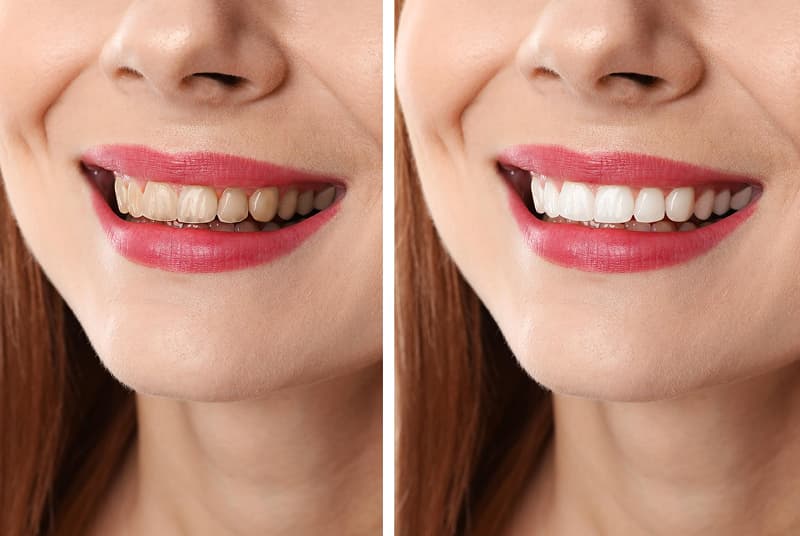

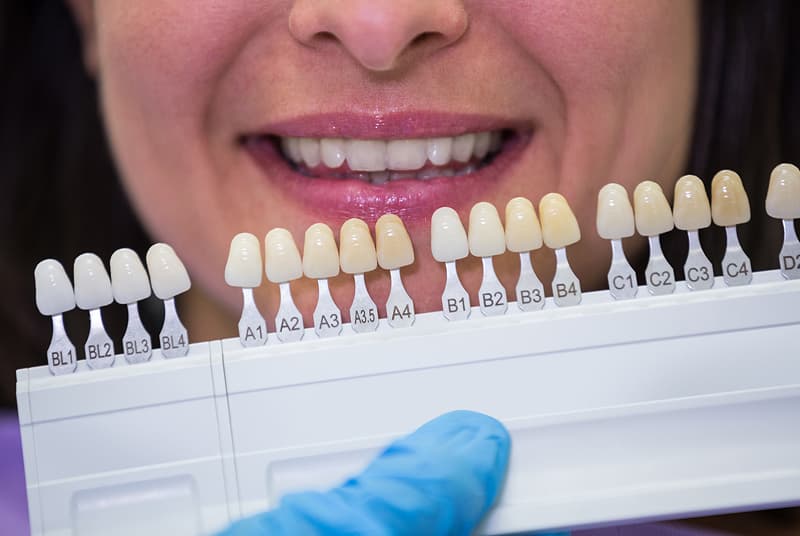

Precision, Artistry, and Confidence – Beautiful Smiles with Porcelain Veneers.
FAQ
Suitability depends on bone and gum health, the condition of adjacent teeth, your medical history, your goals and your budget. If neighbouring teeth are heavily filled or already crowned, a bridge may be practical. If you want to avoid treating healthy adjacent teeth and maintain bone, an implant may be preferred. A detailed assessment will guide the decision.
Well-maintained bridges have 80 to 90 percent survival over 10 years. Implants generally have longer expected lifespans but depend on healthy supporting tissues and good home care. Outcomes vary between individuals, so no specific timeframe can be promised.
Both can feel very natural when designed and fitted well. Many people find an implant closest to the feel of a natural tooth because it is self-supporting. A well-made bridge can also be comfortable and reliable with proper bite adjustment and reviews.
With bridges, you need to clean under the pontic using floss threaders, super floss or interdental brushes. Implants require thorough brushing and interdental cleaning, plus professional cleaning around the implant. In both cases, good daily hygiene and regular dental check-ups are essential.
Not everyone is immediately suitable for implants. Adequate bone and healthy gums are important, and some patients may need additional treatment to prepare the area. Certain medical conditions and lifestyle factors may affect suitability, which your dentist will discuss.
Implants typically have a higher upfront cost than bridges because of planning, placement and components. Bridges can be more affordable initially but may need replacement sooner, especially if the supporting teeth change. Your dentist can outline options and total expected costs for your situation.

Our team is always available to provide clear, honest answers about your dental care. No question is too small — we’re here to help you make confident, informed decisions about your smile.