
If you have any questions you’re very welcome to send us a message and we will get back to you.
Monday:
09:00 AM - 17:00 PM
Tuesday:
09:00 AM - 17:30 PM
Wednesday:
09:00 AM - 17:30 PM
Thursday:
09:00 AM - 19:00 PM
Friday:
08:30 AM - 17:00 PM
Saturday:
09:00 AM - 13:00 PM
Sunday:
Closed
We use cookies to improve your experience. By continuing, you agree to our use of cookies
No pain does not always mean no problem. Here’s how our team assesses silent cavities and helps you choose the least invasive, effective care.
Short answer: maybe. The absence of pain does not mean decay is harmless or that a filling will never be needed. Many cavities start quietly in enamel, which has no nerves, so you can have a cavity without pain. Whether treatment is necessary depends on a careful dental examination.
At Silver Oaks Dental, we assess your teeth visually and gently, and we use dental X-rays when helpful to see between teeth and beneath the surface. From there, we advise whether a filling, preventive care, or monitored review is the best option for you.
If you are not in pain, do not worry. Early tooth problems are often manageable with conservative care when found promptly.

A silent cavity is decay that has not yet caused any discomfort. This is common and recognised in UK guidance from the British Dental Association and NHS sources. Early decay begins on the enamel surface, often appearing as a chalky white or brown spot. Because enamel has no nerve supply, you usually feel nothing at this stage.
If plaque acids continue to dissolve enamel, the lesion can break the surface and spread into the dentine beneath. Dentine is closer to the tooth’s nerve, so sensitivity or pain typically appears later. Without timely care, silent cavities can progress and eventually lead to toothache, infection, or even tooth loss. Early identification makes treatment simpler and helps avoid more extensive procedures.
Unsure about a cavity without pain? Our dentists provide calm, clear assessments and a plan that suits you, from prevention to small restorations.
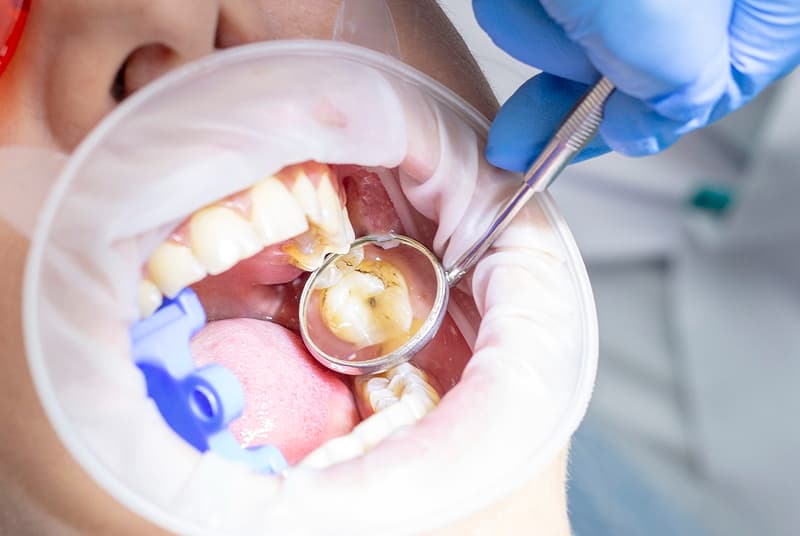
Your dentist looks for changes in colour, surface texture, and any areas where food tends to catch. We may use a small instrument to feel for softness or roughness that suggests a surface break. We also review your individual risk factors such as diet, saliva flow, previous decay, and oral hygiene. This builds a clear picture of whether a lesion is likely to progress.
Dental X-rays are valuable because they can reveal decay between teeth and under the chewing surfaces where it is hard to see. Modern digital X-rays provide clear images with low radiation doses for confident diagnosis and planning. We may also use clinical photographs to monitor changes over time, which supports a conservative and evidence-based approach.
We recommend a filling when the evidence shows a lesion is established or progressing, even if it is not sore. Indicators include:
In these situations, a carefully planned, minimally invasive restoration can protect the tooth’s structure and help prevent pain or infection later.
Not all early decay needs a filling straightaway. If the enamel surface is intact and the lesion is shallow, we may manage it with:
Your suitability depends on the exact lesion, your decay risk, and how well the area can be kept clean. Our aim is to preserve natural tooth tissue wherever safe to do so.
Early detection makes treatment simpler. A gentle review and personalised advice can protect your smile with confidence.
Regular check-ups allow us to find problems you cannot see or feel. Many people are surprised when X-rays show early issues between teeth, even when everything feels normal. Routine visits mean we can act early, plan conservative care, and give clear guidance before discomfort appears.
At Silver Oaks Dental in Milton Keynes, our family-friendly team focuses on early detection, gentle care, and practical advice. We take time to explain what we see on your teeth and X-rays so you can choose the approach that suits you best, whether that is preventive care, monitoring, or a small restoration.
Ready for clarity about a silent cavity? Book a comprehensive check-up with Silver Oaks Dental and get clear guidance on the safest, least invasive next step for your tooth.





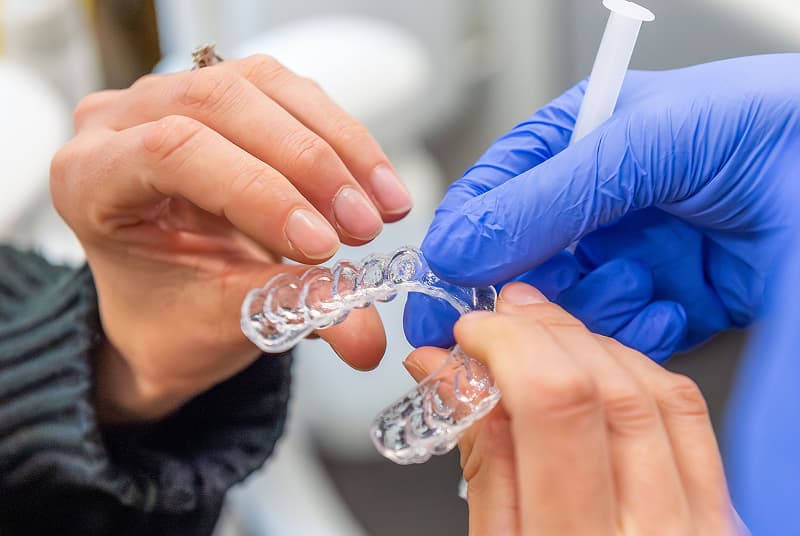

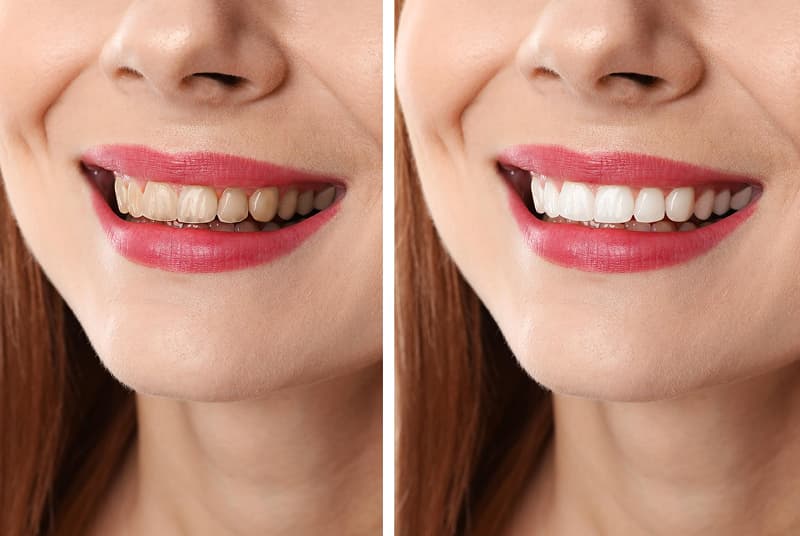

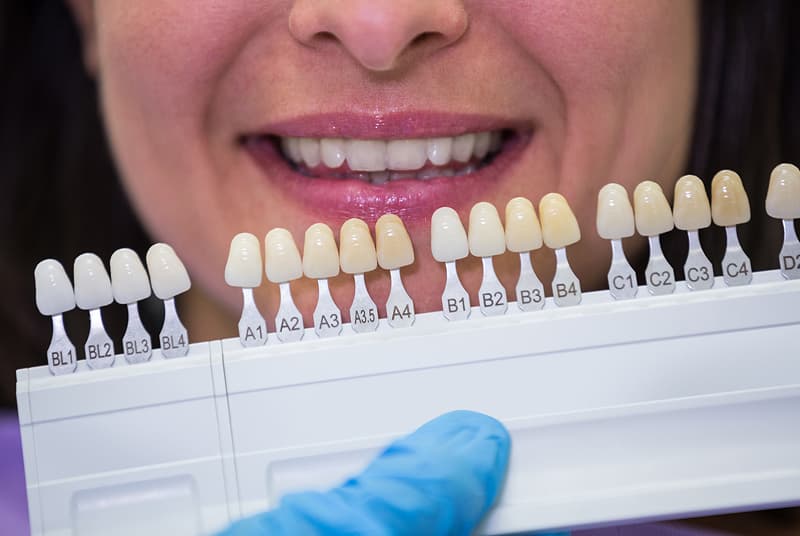

Precision, Artistry, and Confidence – Beautiful Smiles with Porcelain Veneers.
FAQ
Yes. Early decay affects enamel, which has no nerves, so it often develops silently. Pain usually appears later as the lesion reaches deeper layers.
We combine a visual check, gentle tactile assessment, and dental X-rays when appropriate. X-rays help reveal problems between teeth and under the surface, and photos can help us monitor changes over time.
A filling is often advised if there is a visible hole, decay into dentine on X-ray, recurring food trapping, a shadow under the enamel, or increasing sensitivity. Suitability always depends on a dentist’s detailed assessment.
No. Some early enamel lesions can be managed without a filling through remineralisation and careful monitoring. The decision depends on lesion extent, progression risk, and your overall decay risk.
Some shallow enamel lesions can strengthen with fluoride, improved cleaning, and diet changes. This must be guided by a dentist and reviewed, because if the surface breaks, a filling may be necessary.
Because asymptomatic tooth decay is common and can be missed at home. Regular exams and X-rays when appropriate support early, less invasive care and help prevent urgent problems.

Our team is always available to provide clear, honest answers about your dental care. No question is too small — we’re here to help you make confident, informed decisions about your smile.