
If you have any questions you’re very welcome to send us a message and we will get back to you.
Monday:
09:00 AM - 17:00 PM
Tuesday:
09:00 AM - 17:30 PM
Wednesday:
09:00 AM - 17:30 PM
Thursday:
09:00 AM - 19:00 PM
Friday:
08:30 AM - 17:00 PM
Saturday:
09:00 AM - 13:00 PM
Sunday:
Closed
We use cookies to improve your experience. By continuing, you agree to our use of cookies
Noticing sensitivity after a recent filling? Find calm, clear advice on what is normal, how long it lasts, simple relief tips, and when to contact Silver Oaks Dental.
If you are feeling tooth pain after filling treatment, you are not alone. Mild to moderate sensitivity or slight pain for a short period is common and usually settles as the area heals. Most people notice steady improvement within a few days to two weeks. If discomfort is getting worse, lasts beyond two weeks, or you have sharp pain on biting, it is sensible to book a review so we can check and help.

A filling restores the tooth, but the tissues inside and around it can feel sensitive while the tooth settles. Common reasons for post-filling sensitivity include:
Sensitivity is more likely if the cavity was deep or close to the pulp. Everyone responds differently. Some people feel very little, while others notice more pronounced sensitivity for a short time. It is also common to be more aware of the tooth once the anaesthetic has worn off.
Most sensitivity settles on its own. If yours is hanging on or getting sharper, a quick review can bring welcome relief.
For many patients, filling sensitivity eases within a few days. It can be normal for it to take up to two weeks to fully settle. NHS guidance notes that sensitivity typically improves within one to two weeks, and the key sign of a healthy recovery is gradual improvement. You might notice:
If sensitivity is not improving, persists beyond two weeks, or is getting worse, a review is recommended. Ongoing regular dental check-ups also help your dentist monitor restored teeth and identify problems early.
Most post-filling sensitivity is normal and resolves without further treatment.Contact us promptly if you notice any of the following:
Pain on biting often means the filling is a little high. A small adjustment by your dentist usually resolves this quickly. The reassuring news is that when concerns are assessed early, solutions are often simple and effective.
Unsure if your symptoms are within the normal range? We are happy to advise and can check your bite or filling if needed.
Gentle care can make a noticeable difference while the tooth settles:
These steps help protect the tooth while reducing triggers that can set off sensitivity.
Your comfort matters to us. At Silver Oaks Dental, we provide clear guidance after your appointment and explain what feels normal as the area settles. If you are worried, we would much rather hear from you than have you wait.
If you need a review, our dentist will:
Most post-filling concerns are straightforward to resolve with timely advice or a minor adjustment. Our team is here to support you with considerate care and sensible next steps.





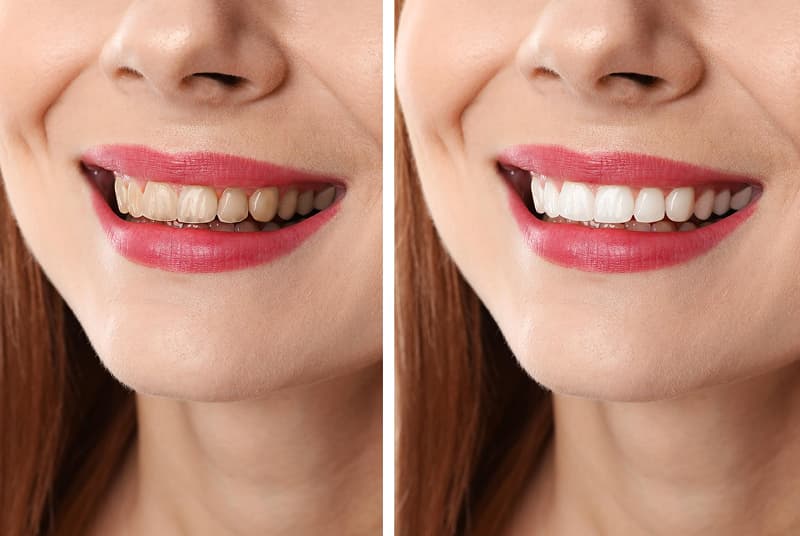

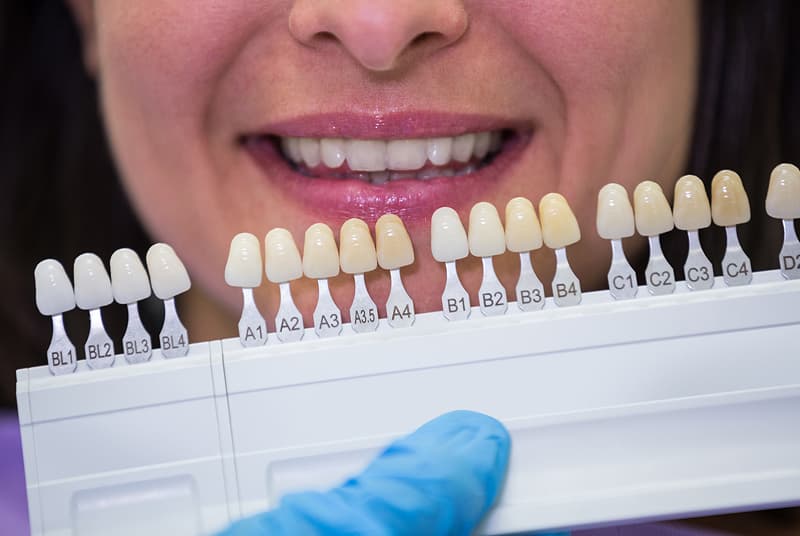

Precision, Artistry, and Confidence – Beautiful Smiles with Porcelain Veneers.
FAQ
Most sensitivity settles within one to two weeks and should steadily improve. If discomfort lasts beyond two weeks, is getting worse, or is severe, contact your dentist for a review.
Short-term nerve irritation from the procedure is the most common cause. Sensitivity to the filling material and a slightly high bite can also contribute, especially if the cavity was deep or close to the pulp.
Mild tenderness can be normal for a short time. Sharp or pinpoint pain on biting often means the filling is a little high, which your dentist can usually correct with a small adjustment.
Use a desensitising toothpaste twice a day and consider a desensitising mouth rinse if advised. Avoid very hot, very cold or very sugary foods and drinks at first, and brush gently with a soft-bristled toothbrush.
Get in touch if pain lasts more than two weeks, is increasing, or you have sharp pain on biting. Seek urgent advice if you notice swelling, fever or spreading redness.
Usually not, as most cases resolve naturally and do not need further treatment. Monitoring symptoms and seeking a review if they persist helps prevent rare complications and ensures the right care.

Our team is always available to provide clear, honest answers about your dental care. No question is too small — we’re here to help you make confident, informed decisions about your smile.